
Introduction
Kitchen gardening is becoming very popular today, especially among people who want fresh, healthy, and chemical-free food at home. If you are new to kitchen gardening, this guide will help you understand everything step by step.
Thank you for reading this post, don't forget to subscribe!Kitchen gardening for beginners does not require big land or heavy investment. Even a small balcony, terrace, or window space is enough to start kitchen gardening at home.
In this complete guide, you will learn how to start kitchen gardening, what tools you need, which vegetables are best, and how to maintain your garden successfully.
What is Kitchen Gardening?
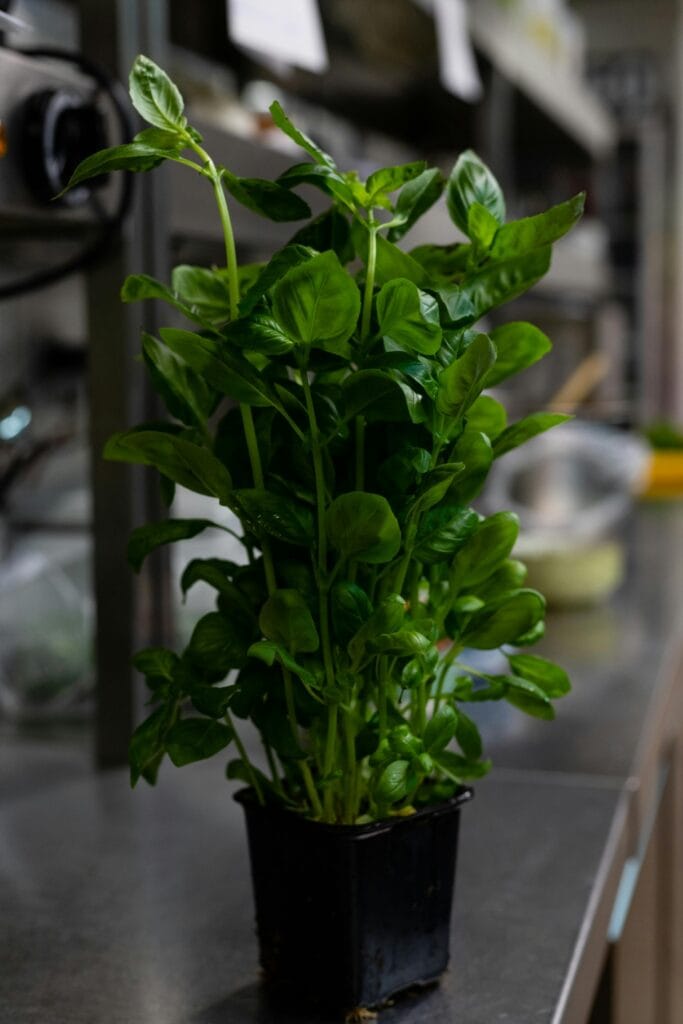
Kitchen gardening means growing your own vegetables, fruits, and herbs at home for daily use. It is also called home gardening or organic vegetable gardening.
Kitchen gardening helps you grow fresh vegetables without harmful chemicals, making your food healthier and safer.
Benefits of Kitchen Gardening
Kitchen gardening offers many benefits, especially for beginners:
- Fresh and organic vegetables at home
- Saves money on daily groceries
- Improves physical and mental health
- Reduces stress and anxiety
- Eco-friendly and sustainable lifestyle
- Best use of small spaces like balconies
Kitchen Gardening for Beginners: Step-by-Step Guide
1. Choose the Right Location
The first step in kitchen gardening for beginners is choosing the right location. Your plants need sunlight to grow properly.
- Select a place with 4–6 hours of sunlight daily
- Balcony, terrace, or rooftop works best
- Avoid completely shaded areas
2. Select Containers for Kitchen Gardening
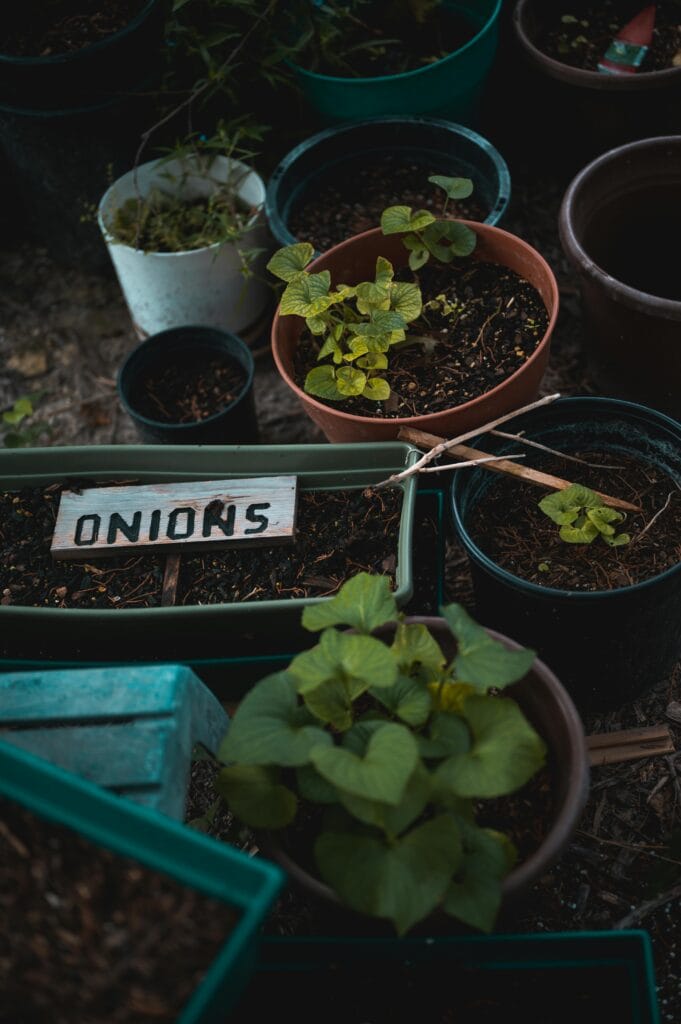
You don’t need expensive pots to start kitchen gardening. Beginners can use:
- Plastic pots
- Grow bags
- Old buckets or containers
- Wooden boxes
👉 Make sure all containers have proper drainage holes.
3. Prepare the Perfect Soil Mix
Soil quality is very important in kitchen gardening.
Best soil mix for beginners:
- 50% garden soil
- 30% compost (organic fertilizer)
- 20% sand or cocopeat
This mixture helps plants grow faster and healthier.
4. Choose the Right Vegetables
Choosing the right plants is very important in kitchen gardening for beginners.
Easy Vegetables to Grow:
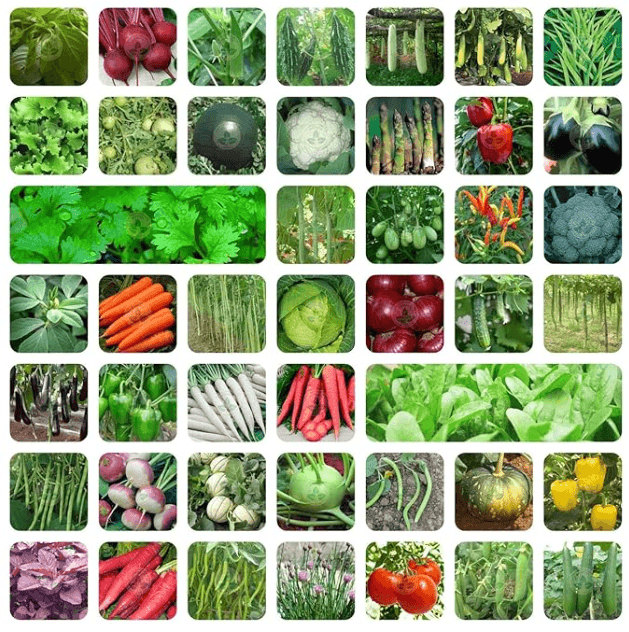
- Tomato
- Spinach
- Coriander
- Chili
- Radish
- Mint
These plants grow quickly and require less maintenance.
5. Use Good Quality Seeds
Always choose high-quality seeds for better results in kitchen gardening.
- Buy organic seeds
- Use fresh seeds
- Avoid expired seeds
Good seeds = healthy plants + better yield.
6. Watering Techniques
Watering is a key part of kitchen gardening.
- Water plants daily (morning or evening)
- Avoid overwatering
- Keep soil moist, not soggy
Overwatering can damage plant roots.
7. Use Organic Fertilizers
For successful kitchen gardening, use natural fertilizers:
- Vermicompost
- Cow dung compost
- Kitchen waste compost
These improve soil fertility and plant growth.
8. Protect Plants from Pests
Pests can damage your kitchen garden. Use natural solutions:
- Neem oil spray
- Soap water spray
- Garlic spray
Avoid chemical pesticides in kitchen gardening.
9. Pruning and Maintenance ✂️
Regular maintenance is important:
- Remove dry leaves
- Trim plants regularly
- Check for diseases
This helps plants grow faster and healthier.
10. Harvest at the Right Time 🌾
Harvesting at the right time ensures better taste and nutrition.
- Pick vegetables when they are fresh
- Do not overgrow crops
- Regular harvesting increases yield
Best Plants for Kitchen Gardening in India
If you are starting kitchen gardening in India, these plants work best:
- Tomato
- Green chili
- Coriander
- Spinach
- Fenugreek (methi)
- Bottle gourd
These are high-demand and easy to grow vegetables.
❌ Common Mistakes in Kitchen Gardening
Avoid these mistakes:
- Overwatering plants
- Using poor quality soil
- No sunlight exposure
- Planting too many crops at once
- Ignoring pest control
🛒 Recommended Kitchen Gardening Products
🌱 Beginner Essentials
🌿 Advanced Products
💎 Premium Products
Conclusion
Kitchen gardening for beginners is simple, affordable, and highly rewarding. With the right steps, tools, and care, anyone can grow fresh vegetables at home.
Start your kitchen gardening journey today with a few pots and seeds. Over time, you can expand your garden and even turn it into a profitable business.
👉 Start your kitchen gardening today!
👉 Check our recommended gardening tools and seeds in the shop section.
❓ FAQs
Q1. Can I start kitchen gardening in a small space?
Yes, kitchen gardening can be done in balconies, terraces, or even windows.
Q2. Which vegetables grow fastest in kitchen gardening?
Spinach, coriander, and radish grow very fast.
Q3. How much sunlight is needed?
At least 4–6 hours of sunlight daily.
Q4. Is kitchen gardening profitable?
Yes, it saves money and can become a small business.
Q5. What is the best time to start kitchen gardening?
The best time to start kitchen gardening is during the spring or early winter season, depending on your location and the vegetables you want to grow.
Q6. How much space is required for kitchen gardening?
Kitchen gardening can be started in very small spaces like balconies, terraces, or even windows with proper sunlight.
Q7. Which soil is best for kitchen gardening?
A mix of garden soil, compost, and cocopeat is ideal for kitchen gardening as it provides nutrients and proper drainage.
Q8. How often should I water plants in kitchen gardening?
In kitchen gardening, plants should be watered once a day, but frequency may vary depending on weather and soil condition.
Q9. Can I do kitchen gardening without sunlight?
Most plants in kitchen gardening require sunlight. However, you can use grow lights for indoor gardening.
Q10. Which vegetables are best for kitchen gardening for beginners?
Tomato, spinach, coriander, chili, and mint are the best options for kitchen gardening for beginners.
Q11. How long does it take to grow vegetables in kitchen gardening?
In kitchen gardening, leafy vegetables like spinach grow in 20–30 days, while tomatoes may take 60–90 days.
Q12. Is kitchen gardening expensive?
Kitchen gardening is very affordable and can be started with low investment using basic tools and containers.
Q13. Can I use kitchen waste for kitchen gardening?
Yes, kitchen waste like vegetable peels can be used to make compost for kitchen gardening.
Q14. How do I protect my kitchen garden from pests naturally?
You can use neem oil spray, garlic spray, or soap water to protect your kitchen garden from pests.
Q15. What are the common problems in kitchen gardening?
Common problems include overwatering, lack of sunlight, poor soil quality, and pest attacks.
Q16. Can kitchen gardening be turned into a business?
Yes, kitchen gardening can be expanded into a small business by selling organic vegetables or plants.